
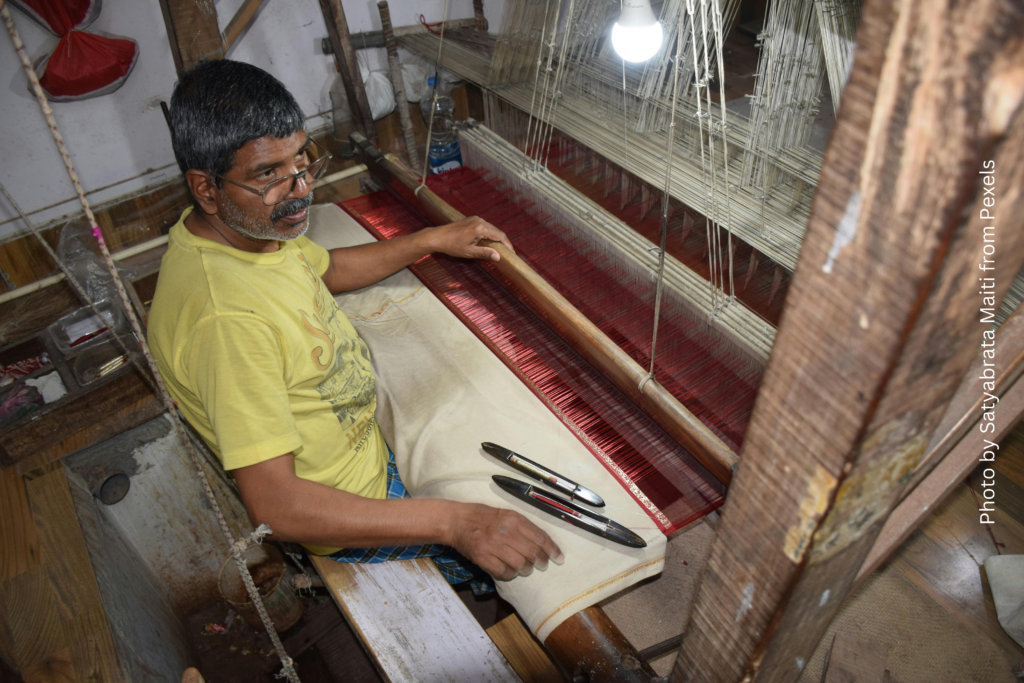
People are becoming increasingly conscious of their carbon footprints, yet they are equally eager to refresh their wardrobes. India is a nation rich in textiles and has immense potential to produce quality products while reducing waste generated by the fashion industry. Handloom products are durable and have been designed to last.
How The Rise of Sustainable Fashion Has Impacted Consumer Habits
Fast fashion has proven to be detrimental in terms of its environmental impact through the use of toxic waste and chemicals; and unethical practices that violate human rights. As conscious consumerism is rising, people are recognising the significance of slow fashion and are promoting Indian craftsmanship and the diversity of textiles.
Cultural Significance and Diversity
Sustainable practices have been a part of Indian culture since time immemorial. Kantha embroidery being a prime example of repurposing textiles to create utilitarian products. Old fabrics and rags were transformed into exquisite quilts that depicted everyday life. It continues to be a popular choice of textile around the world.
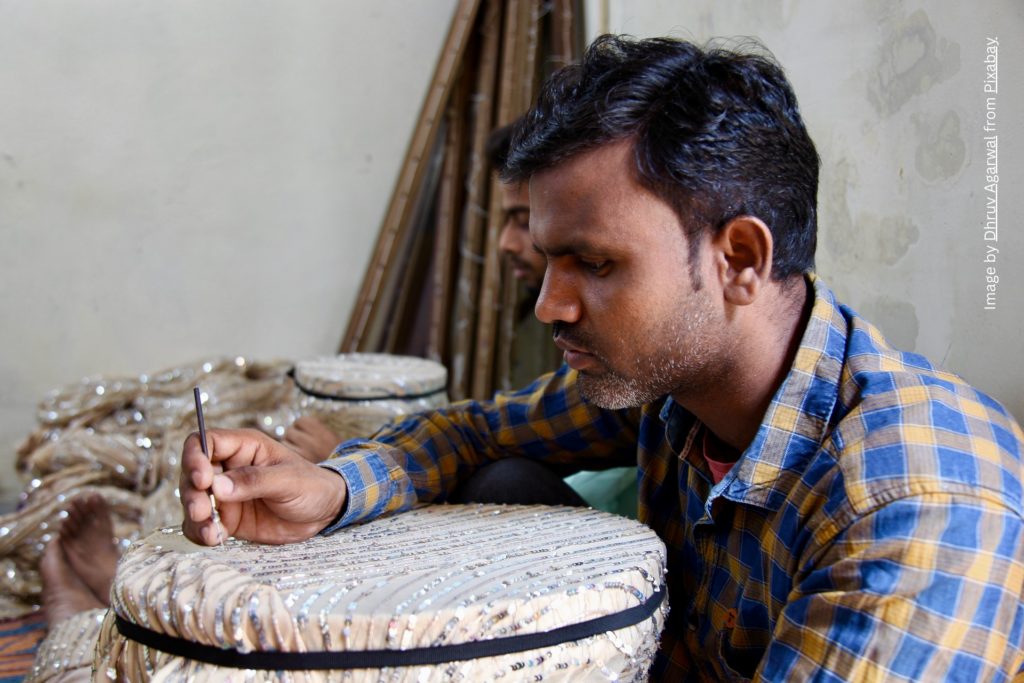
Handmade textiles are borne out of hours of laborious work done by skilled craftsman. They carry within them centuries of Indian heritage that ought to be celebrated.
A few popular crafts:
Ikat from Odisha, a fabric created by dyeing yarn before weaving, resulting in stunning patterns.
Chikankari, a traditional embroidery technique from Lucknow, known for its delicate and intricate designs.
Banarasi sarees from Varanasi, often worn at weddings, renowned for their elaborate patterns.
Kanjivaram silks from Tamil Nadu, featuring threads woven with silver and gold to create intricate designs.
Creative Endeavors With Upcycled Textiles
Repurposing old garments into new ones is a great way to get one’s creative juices flowing. I have a deep love for Indian textiles. As a designer, they embody everything I cherish—vibrant colors, rich textures, and intricate patterns.
Exploring my grandmother’s collection brings unparalleled joy. Each time I open her old steel Godrej cupboard, I uncover beloved pieces, including some that have suffered from wear and tear. These “damaged pieces” have resulted in successful DIY fashion experiments. Providing an opportunity to collaborate with your local tailors, transforming the old garments into something new and beautiful.
Sustainable Brands That Are Empowering Indian Artisans
As the awareness for sustainability grows, Indian fashion brands are incorporating eco-friendly practices and carving a niche for themselves.
Some notable brands include :
- LataSita upcycles traditional sarees into modern designs that are perfect for daily wear.
- Doodlage upcycles discarded factory waste into unique cuts.
- Okhai celebrates the craft and the craftswomen behind their distinctive designs
- Mishcat Co creates upcycled rugs from saree scraps.
Sustainable fashion also embraces social and ethical practices, enabling artisans to earn fair wages and providing them with platforms to showcase their skills. Organizations like Dastkar and the Delhi Crafts Council host fairs that allow these communities to sell directly to consumers, free from the influence of profit-driven multinational companies. It is inspiring to see Indian brands taking the initiative to revive these traditions, ensuring that skilled artisans have sustainable livelihoods.